
Ambedkar Digital Skill-to-Job Programme — State-wide Consortium (100 Centres)
The full state-wide rollout — 100 Ambedkar Digital Learning & Skill-to-Job Centres, digital literacy for 3,00,000 community members, job-linked skills for 48,000 youth and 28,800 placed or self-employed, with ≥40% women participation.
Need Assessment
Andhra Pradesh requires a large, inclusive and employment-oriented skill network capable of reaching Dalit settlements, rural backward areas, urban slums, women, unemployed graduates, technical students and first-generation learners across all regions.
Problem Statement
Current interventions are often small, fragmented and disconnected from employers. Disadvantaged youth face unequal access to technology, modern laboratories, career guidance, industry-recognised skills, placement systems and emerging employment opportunities.
Solution Architecture
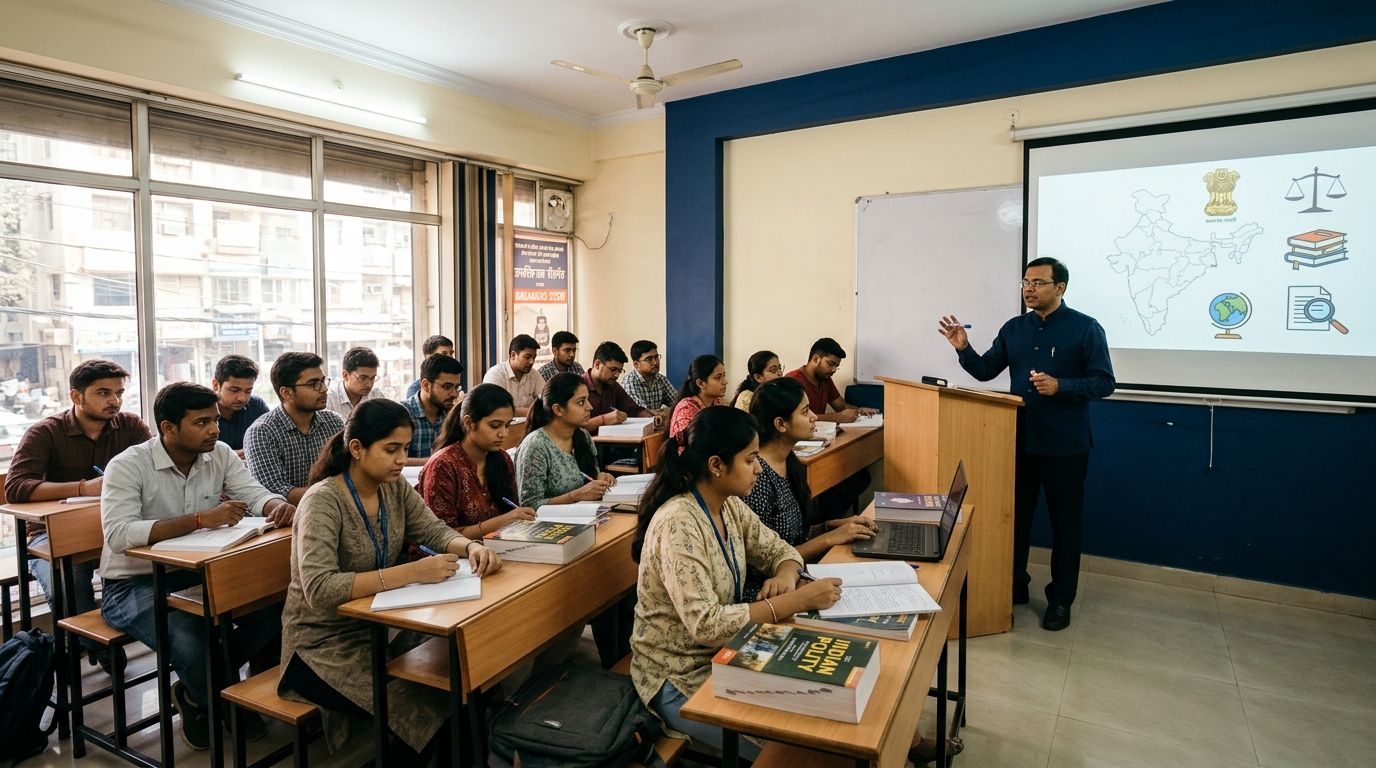
The statewide consortium will establish 100 Ambedkar Digital Learning Skill-to-Job Centers supported by a State Programme Management Unit, regional hubs, district coordinators, specialised laboratories, mobile training units, employer partnerships and a central monitoring platform.
Key Activities
The statewide skill basket will include digital literacy, office and AI productivity, cloud and cybersecurity foundations, video editing, digital marketing, data services, drone building and maintenance, solar panel installation, EV charger installation and servicing, electronics, manufacturing support, IoT, housekeeping, facility management, healthcare support, logistics, retail, BPO, telecommunications, e-commerce, food processing, waste management and entrepreneurship.
Expected Outcomes
At least 28,800 beneficiaries will secure employment, self-employment, apprenticeship or freelance livelihoods. The programme will strengthen workforce participation, reduce digital exclusion, support green jobs and improve the economic resilience of disadvantaged communities.
Key Performance Indicators
100 centers established, minimum 40% women participation, 80% completion, 75% certification, 60% livelihood conversion, 400 or more employer partnerships, 100 job fairs and comprehensive 90-day retention tracking.
Monitoring Framework
The programme will operate through a central MIS with real-time beneficiary tracking, attendance, assessments, certification, placement and financial reporting. Monitoring will include monthly dashboards, quarterly donor reviews, annual audits, sample field verification and independent third-party impact assessment.
Risk-Management Framework
Major risks include uneven regional execution, financial-control weaknesses, data-quality issues, trainer shortages, safety incidents, political-association concerns and placement shortfalls. Controls will include separate CSR cost centers, transparent procurement, neutral project branding, safeguarding policies, technical audits, grievance mechanisms and independent financial and impact reviews.
Sustainability Plan
Long-term sustainability will be created through a consortium of CSR partners, state and central government convergence, employer-sponsored academies, apprenticeships, shared laboratories, institutional training contracts, alumni networks, entrepreneurship incubation and phased cost-sharing with local partners. The network will progressively evolve into a permanent statewide community employment and digital-learning infrastructure.
Planned Outputs
- 100 centers across Andhra Pradesh
- 3,00,000 digital-literacy beneficiaries
- 48,000 youth trained in employment-linked skills
- Statewide employer and apprenticeship network
- 100 job fairs and large-scale placement campaigns
- Central MIS, donor dashboard and impact-reporting system
The DPR includes the concept note, need assessment, activities, budget, monitoring framework and reporting schedule. Other deliverables are published quarterly by the Trust's compliance team.
 by
by